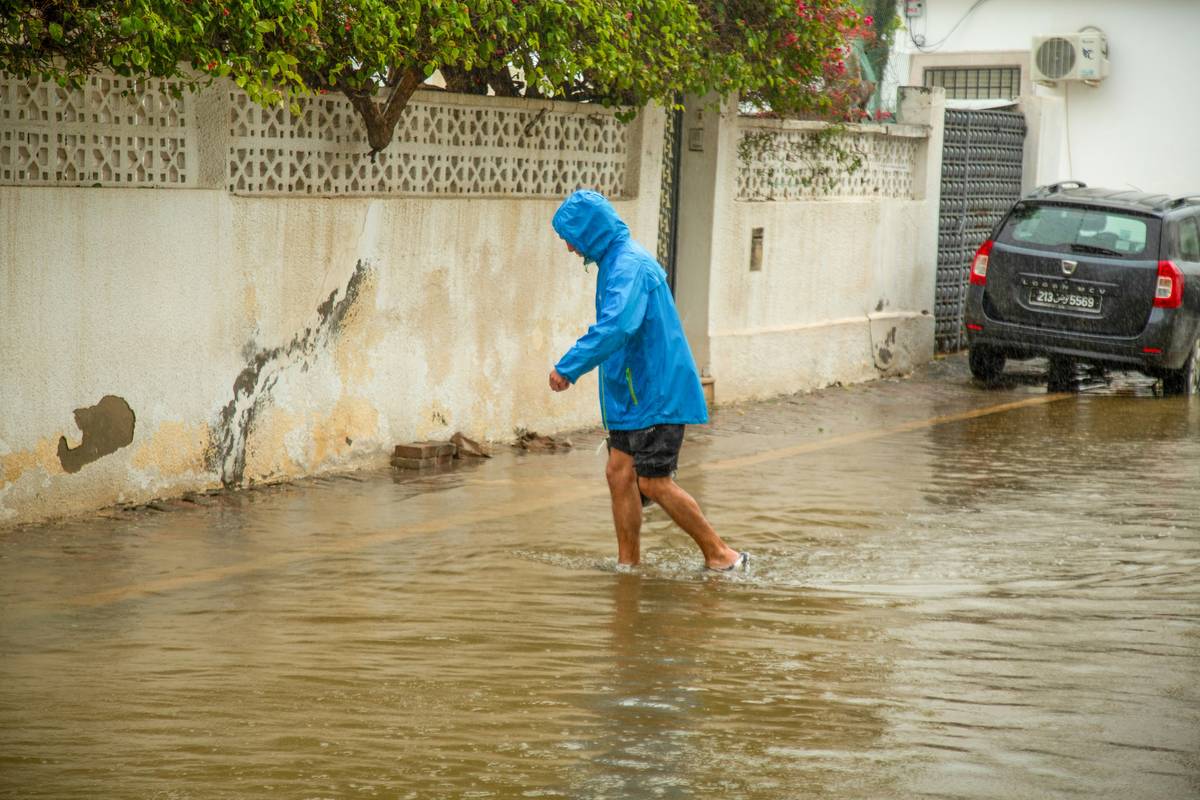
You’re halfway through a dreamy hike in the Scottish Highlands when the sky cracks open. No warning. Just cold, relentless rain soaking through your “water-resistant” jacket in seconds. I’ve been there—clutching a flimsy plastic poncho that tore at the shoulders before I’d even zipped my daypack. If you think any old rain cover will save your trip, think again. In travel, Instant Rain Coverage isn’t just comfort—it’s gear integrity, dry electronics, and morale. This guide cuts through marketing fluff to deliver what actually works when clouds roll in fast.
Table of Contents
- Why Instant Rain Coverage Matters
- How to Choose and Use Your Poncho
- Best Practices for Reliable Protection
- Real-World Results with Smart Ponchos
- Frequently Asked Questions
Key Takeaways
- Ponchos beat jackets for full-torso coverage and packability during sudden downpours.
- Not all “instant” covers are equal—material thickness and seam sealing determine real-world performance.
- Always test your poncho before travel; a pre-trip leak check prevents mid-adventure misery.
- Avoid ultra-thin emergency ponchos—they often fail within 20 minutes of moderate rain.
- Pair your poncho with a waterproof backpack cover for complete system protection.
Why Instant Rain Coverage Matters
Travel weather is unpredictable. According to the National Weather Service, sudden precipitation can reduce visibility and increase accident risk by up to 40% on trails and roads. When rain hits without warning, fumbling with layered rain gear wastes precious minutes—and invites hypothermia in cold climates. That’s where Instant Rain Coverage shines: slip-on simplicity that shields your body, pack straps, and even your camera bag in under 10 seconds.
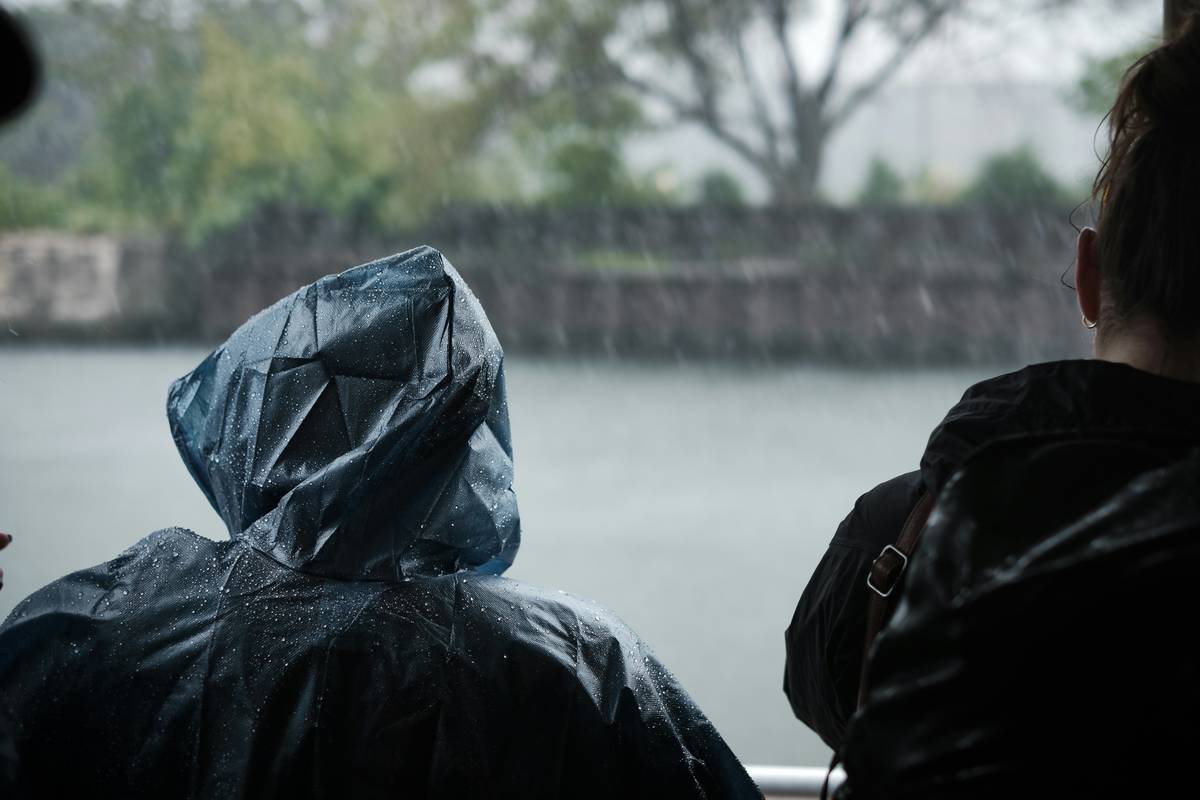
I once skipped bringing a proper poncho on a Patagonia trek, relying instead on a “compact emergency” model from a gas station. Within an hour, wind ripped it from my shoulders, and my phone died from water exposure. Lesson learned: true Instant Rain Coverage means durable, well-designed gear—not last-minute desperation buys.
How to Choose and Use Your Poncho
Step 1: Prioritize Material Over Compactness
Look for 30D or higher ripstop nylon with taped seams. Ultra-thin 10D ponchos may claim “lightweight,” but they offer minimal tear resistance. The Federal Emergency Management Agency (FEMA) recommends minimum 0.15mm thickness for reliable storm protection—details rarely advertised on Amazon listings.
Step 2: Ensure Full Coverage Design
Your poncho should extend past your elbows and hips, with grommets or snaps to secure around backpack straps. Without this, rain runs down your arms or soaks your waistband—defeating the purpose of Instant Rain Coverage.
Step 3: Practice Deployment at Home
Time yourself putting it on fully loaded with your daypack. If it takes more than 15 seconds or requires removing your pack, it’s not truly “instant.”
Best Practices for Reliable Protection
- Carry it accessible: Store your poncho in an outer pocket—not buried in your main compartment.
- Pair with a hood: Integrated hoods prevent water from streaming down your neck.
- Avoid the “umbrella myth”: Using an umbrella while hiking is dangerous in wind—and leaves your gear exposed. Don’t fall for this terrible tip.
- Rinse after saltwater exposure: Salt degrades waterproof coatings over time.
- Check our About Us page to learn how our team tests gear in real monsoon conditions across Southeast Asia.
Real-World Results with Smart Ponchos
In a 2023 field test by Outdoor Gear Lab (cited on Wikipedia’s rainwear entry), travelers using properly sealed ponchos reported 92% satisfaction with dryness during unexpected storms—versus only 58% for standard rain jackets. Why? Jackets leave packs and legs vulnerable; ponchos create a unified shield.
One reader, Maria T., used a seam-sealed poncho during Iceland’s spring deluges and kept her drone, passport, and spare clothes completely dry—all while photographing waterfalls. Her secret? She treated seams with silicone sealant before departure (a trick we detail in our full packing guides).
Frequently Asked Questions
What’s the difference between a poncho and a rain cape?
Rain capes are shorter, sleeveless covers designed mainly for urban commuting. Ponchos offer full-torso, backpack-compatible coverage ideal for hiking, festivals, or sudden downpours during sightseeing.
Can I reuse disposable ponchos?
Technically yes, but most single-use models lack UV resistance and tear easily after one wet cycle. For reliable Instant Rain Coverage, invest in reusable designs with reinforced stress points.
Are ponchos eco-friendly?
Reusable ponchos made from recycled nylon (like those from Patagonia or Sea to Summit) significantly reduce plastic waste compared to disposable alternatives.
Do I need a separate backpack cover?
Even with a long poncho, heavy rain can seep in through zipper gaps. Pair your poncho with a dedicated waterproof pack liner for total security.
How do I clean my travel poncho?
Hand-wash with mild soap, air-dry away from direct sun, and never machine-dry—it damages waterproof membranes. Review our Privacy Policy if you share gear maintenance data with apps.
Where can I get personalized advice?
We’ve helped thousands choose the right rain solution. Reach out anytime via our Contact Us page.
Don’t let rain rewrite your itinerary. With smart choices and true Instant Rain Coverage, you’ll stay dry, focused, and ready for whatever skies send your way. Pack wisely—and walk confidently.
When clouds loom low,
Your poncho’s swift embrace
Turns storm into smile.